Top Signs You Need Sewer Line Repair or Replacement
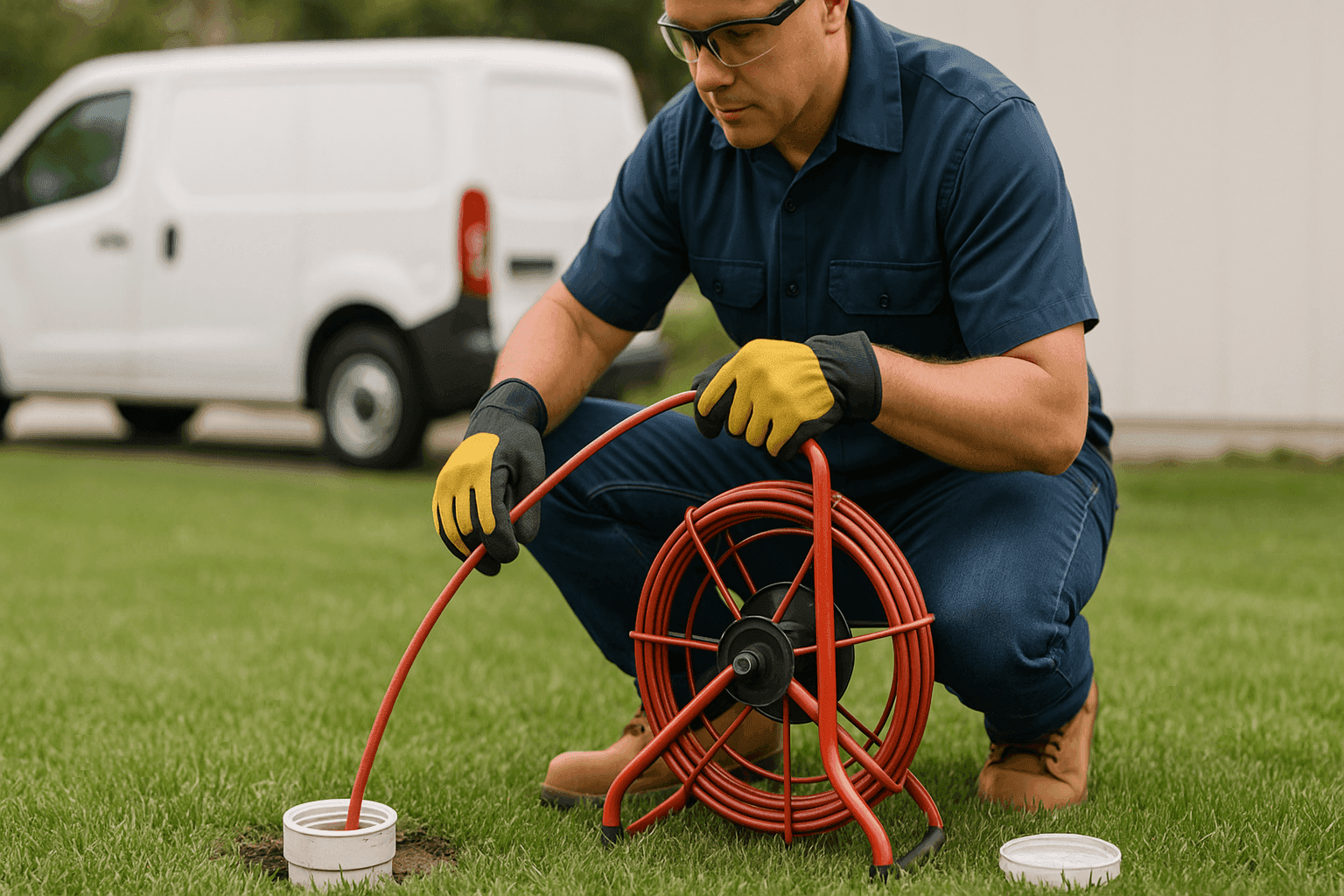
If you’ve ever noticed a foul smell drifting through your yard or found your drains emptying slower than a lazy river, you’re not alone. Sewer line issues sneak up on homes and businesses alike—turning minor annoyances into full-blown messes before you know it.
Ignoring small warning signs can lead to big headaches. At Uncle Frank’s Plumbing, we’ve seen firsthand how a little knowledge (and quick action) can spare you major trouble down the line. Let’s break down what to watch for, why it matters, and what happens when you call in a pro.
Classic Warning Signs Your Sewer Line Needs Attention
Your sewer line is the silent workhorse of your plumbing system. When it falters, the signs aren’t always obvious—at first. Here’s what to watch for:
- Slow Drains in Multiple Spots: If the tub, kitchen sink, and toilet all drain like molasses, the problem might be deeper than a simple clog.
- Gurgling Sounds: Hear odd bubbling or gurgling from your drains or toilet? That’s often air trapped by a blockage.
- Foul Odors: A sewage smell inside or outside your property is a red flag—don’t chalk it up to “something outside.”
- Soggy or Sunken Lawns: Unexplained wet patches, lush grass in one area, or even sinkholes can mean a leak below.
- Sewage Backups: Water or waste backing up into your shower, tub, or floor drains is a major warning—never ignore it.
If you spot one or more of these, your sewer line could be waving a white flag.
Isolated Issue or Main Line Meltdown? How to Tell
It’s easy to mistake a slow sink for a simple clog. But if multiple fixtures are affected, the problem may be with your main sewer line—not just one pipe. Here’s a quick way to tell:
- Single Slow Drain: Likely a localized clog (hair in the shower, food in the kitchen).
- Whole House Issues: Multiple slow drains, gurgling, or backups point to the main line.
If you’re unsure, try running water in different rooms. If the toilet bubbles when you use the bathroom sink, it’s time to take things seriously.
Quick Safety Checklist 🛑
Before you do anything else, keep these safety tips in mind:
- Avoid using water: Stop running faucets, flushing toilets, or using appliances if you suspect a sewer backup.
- Stay away from standing water: Sewage water can contain bacteria and viruses. Wear gloves and avoid direct contact.
- Ventilate the area: Open windows if there’s a strong odor inside.
- Check for gas: If you smell rotten eggs, leave immediately and call emergency services—gas leaks are dangerous.
- Don’t use chemical drain cleaners: They rarely fix main line issues and can damage pipes.
DIY Fixes vs. Calling a Plumber
Some plumbing issues are perfect for a quick DIY fix. Sewer line problems, though, are a different beast.
DIY Might Work If:
- The problem is only in one sink or tub.
- You can clear a visible clog with a plunger or hand auger.
Call a Pro If:
- You have recurring clogs or slow drains in multiple rooms.
- There’s sewage backing up anywhere.
- You notice foul odors, soggy lawns, or hear gurgling sounds.
Trying to fix a main sewer line with the wrong tools is like patching a leaky rowboat with duct tape. It won’t hold long, and the water keeps rising.
What Uncle Frank’s Plumbing Pros Do on Arrival
When you call for help, here’s what you can expect from a professional service:
1. Inspection
- Visual survey: Checking inside and outside for obvious signs.
- Camera inspection: Using a small camera to look inside your sewer line and pinpoint the problem.
2. Diagnosis
- Identifying the cause: Tree roots, collapsed sections, buildup, or broken pipes.
- Checking code compliance: Making sure your plumbing meets local safety and building codes (reference: International Plumbing Code).
3. Solution Planning
- Clearing blockages: Mechanical snaking or hydro jetting as needed.
- Repair or replacement recommendations: Based on the severity, location, and age of your pipes.
- Transparent communication: Explaining options before starting any work.
What Causes Sewer Line Trouble? 🌳
A sewer line doesn’t just break on a whim. Here are the most common culprits:
- Tree roots: Roots chase moisture, squeezing into tiny pipe cracks and growing until they block or break the line.
- Aging pipes: Old clay or cast iron pipes corrode, crack, or collapse over decades.
- Soil movement: Freezing, thawing, or shifting soil can bend or break pipes.
- Improper installation: Poor connections or sloped pipes from previous jobs can come back to haunt you.
- Grease and debris: Flushing the wrong things leads to stubborn buildup.
Repair vs. Replacement: What’s the Difference?
Not every sewer problem demands a total overhaul.
- Repairs: Ideal for minor cracks, small root invasions, or isolated leaks. Methods include pipe patching, relining, or spot replacement.
- Replacement: Needed for collapsed pipes, extensive root damage, or old lines beyond repair. May involve trenchless technology or traditional excavation.
A professional assessment helps you weigh cost, disruption, and long-term peace of mind.
Why Fast Action Matters
Ignoring sewer line symptoms is like putting off a dentist visit. The longer you wait, the worse (and more expensive) it gets.
Risks of Delaying:
- Water damage to your home or building
- Mold growth (a real health hazard)
- Foundation issues from soil erosion
- Unsafe living or work conditions
Prompt repairs keep your property safe and your plumbing system flowing.
Prevention & Maintenance Tips 🛠️
A little prevention saves a lot of trouble. Here’s how to protect your sewer line:
- Schedule annual inspections: Especially if you have mature trees or an older home.
- Don’t flush “flushable” wipes: They rarely break down and can clump into blockages.
- Dispose of grease properly: Cool it, can it, and toss it in the trash.
- Watch what you plant: Keep deep-rooted trees away from sewer lines.
- Stay aware: Unexplained water bills or changing lawn conditions can signal hidden leaks.
Following these habits—and scheduling regular maintenance with a trusted plumber—can keep your system running smoothly.
Costs & Time Factors: What to Expect
Every job is unique, but here’s what typically affects sewer line repair or replacement:
- Extent of damage: Small repairs cost less than full replacements.
- Access to the line: Hard-to-reach pipes may require extra labor or equipment.
- Materials: Old clay or cast iron pipes are pricier to replace than PVC.
- Methods: Trenchless repairs cause less mess and may save time.
- Local permits: Some cities require permits and inspections, which can add to the timeline.
Most repairs can be completed in a day or two, while full replacements might take several days, depending on complexity.
When It’s an Emergency
Certain sewer problems just can’t wait. Don’t delay if you notice:
- Raw sewage backing up into sinks, tubs, or toilets
- Standing water around your foundation
- Strong gas or sewage odors inside
- Soggy spots or sinkholes forming in your yard
These situations pose health and safety risks. Shut off your water if possible and call a plumber right away.
FAQ: Sewer Line Repair & Replacement
How often should I have my sewer line inspected?
Homeowners and business owners should schedule inspections every 1–2 years, or immediately if you suspect a problem.
Can tree roots really break through pipes?
Absolutely. Tree roots are incredibly strong and will seek out even tiny leaks or cracks.
Are chemical drain cleaners safe for sewer lines?
No. They can damage pipes and rarely resolve main line issues. Mechanical cleaning methods are safer and more effective.
Do I need to leave my property during repairs?
Usually not, but major replacements may require temporary access restrictions. Your plumber will let you know what to expect.
Local & Seasonal Considerations 🏡
Sewer lines can be affected by local weather and soil conditions. In areas with heavy rainfall or clay soil, shifting ground can put extra pressure on pipes. Freezing temperatures may cause pipes to crack or joints to loosen. If you live in an older neighborhood or have large trees near your property, annual inspections are especially important.
For commercial properties, local regulations may require periodic backflow testing and sewer line inspections. Check with your city’s building department or the International Plumbing Code for specific guidelines.
If you’re seeing any warning signs—or just want peace of mind—don’t wait for things to get worse. Call Uncle Frank's Plumbing now — or reach us anytime at 888-871-3463 .