Essential Guide to Drain Cleaning: DIY vs. Professional Help
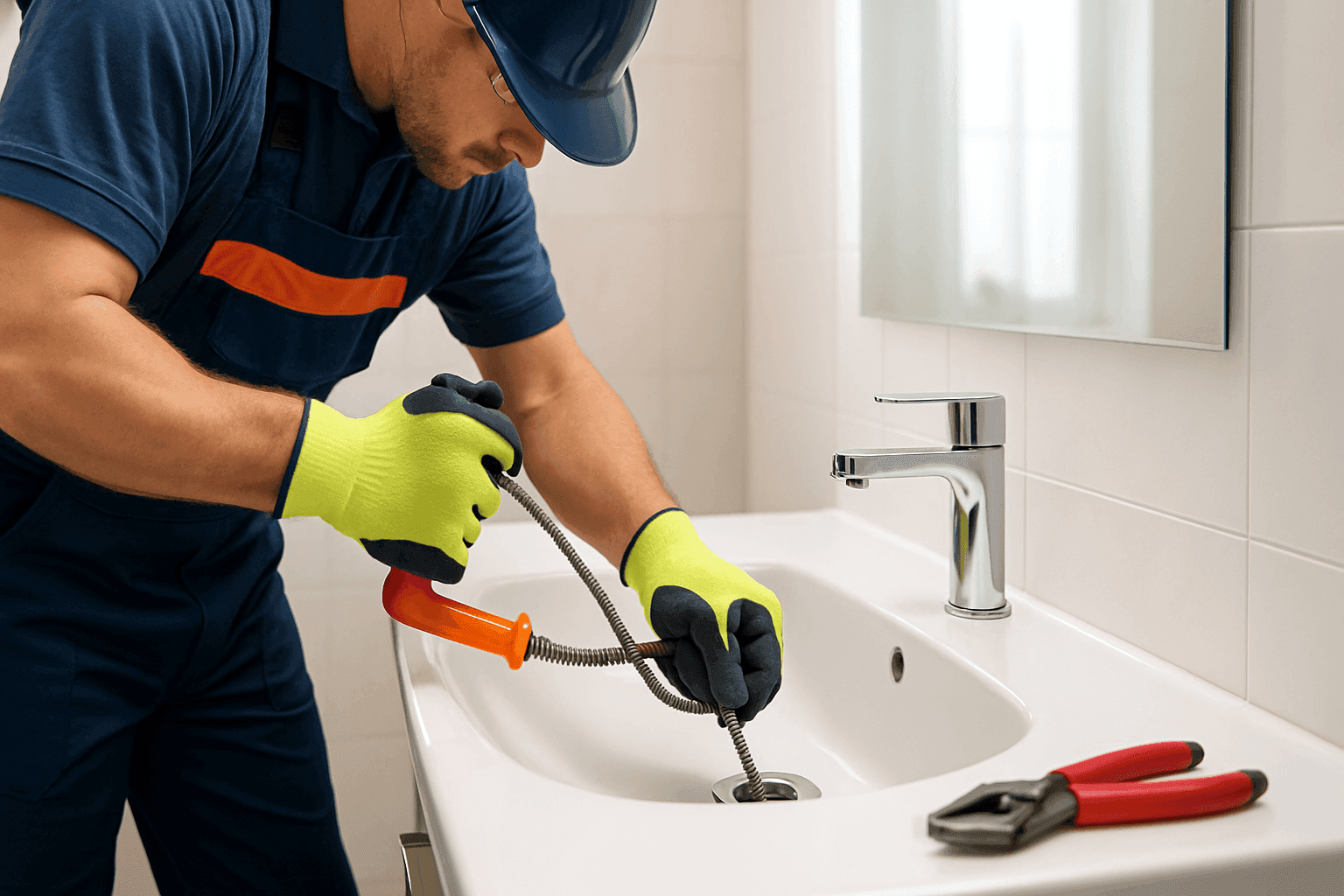
Everyone deals with a slow drain at some point. Maybe your kitchen sink starts gurgling or the shower fills up like a kiddie pool. It’s annoying—and sometimes, a sign of something bigger.
When water stops moving, life slows down. At Uncle Frank’s Plumbing, we know the difference between a minor clog and a problem that could damage your home or business. Let’s break down what you can handle yourself, what’s risky, and when you really need help.
What’s Really Happening When a Drain Clogs? 🚿
Think of your drains like arteries. When they’re clear, water flows freely. But when things like grease, hair, or food scraps build up, the passage narrows. At first, it’s just a trickle slower than usual. Ignore it, and the blockage grows—until nothing gets through.
Minor clogs often lurk just below the drain. Deeper problems might mean a tree root has invaded your sewer line, or pipes have shifted underground. Residential or commercial, no building is immune.
Common symptoms:
- Water pools in sinks, tubs, or showers
- Gurgling sounds from drains or toilets
- Foul odors, especially from kitchen plumbing
- Toilet water rises or bubbles after flushing
Ignoring these warning signs can lead to costly repairs, water damage, or even health risks.
Quick Safety Checklist for DIY Drain Cleaning
Before you grab the plunger or pour anything down the drain, take a breath. Safety first. Here’s what to remember:
- Wear gloves: Protect your skin from bacteria and cleaning solutions.
- Ventilate: Open windows if using any chemicals, even natural ones.
- Read labels: Only use products approved for household plumbing (see local guidelines and product safety data).
- Turn off water if needed: If a fixture is overflowing, shut off its water supply.
- Don’t mix cleaners: Never combine different chemical products—they can create toxic fumes.
- Check water temperature: Hot water can crack porcelain or PVC if poured too quickly.
Simple steps can prevent accidents and protect your pipes.
DIY Methods vs. Calling a Professional
Not all clogs are created equal. Some you can clear in minutes. Others need more muscle and know-how.
Safe DIY Drain Cleaning Methods
- Plunger: Good for sinks, showers, and toilets. Create a tight seal; push and pull firmly.
- Drain Snake (Hand Auger): Best for hair or small blockages close to the drain. Feed the snake down, twist, and pull out debris.
- Natural Cleaners: Pour half a cup of baking soda down the drain, followed by half a cup of vinegar. Wait 15 minutes, then flush with hot water. Safe for most pipes.
- Boiling Water: Effective for grease clogs in metal pipes—never use on PVC.
What Not to Do
- Avoid chemical drain cleaners for recurring clogs. They can weaken pipes and harm septic systems. The Environmental Protection Agency (EPA) and local plumbing codes warn against overuse due to toxic runoff and pipe corrosion.
- Don’t force drain snakes deeper if you hit resistance—this can damage pipes or push the clog further.
Signs You Need Professional Plumbing Help
- Multiple drains clog at once (could be a main sewer line problem)
- Water backs up in odd places—like the shower when you flush
- Persistent foul odors
- Standing water that won’t budge after DIY attempts
If your building needs Gas Safety Checks, Backflow Testing, or inspection of plumbing fixtures, it’s always best to let a qualified plumber handle it. Damaged gas lines or sewer pipes can be dangerous, costly, and even illegal to repair without proper licensing.
What Pros Do When They Arrive
A professional plumber brings more than just tools—they bring experience. Here’s what to expect when you call Uncle Frank’s Plumbing for drain help:
Inspection
- Visual check: Assess all affected fixtures.
- Camera inspection: A tiny waterproof camera snakes through your pipes to locate blockages, cracks, or tree roots. This is especially helpful for sewer line repair or inspection.
Mechanical Cleaning
- Motorized drain augers: Stronger than hand snakes for stubborn clogs.
- Hydro jetting: High-pressure water blasts away years of buildup—grease, scale, even roots. It’s thorough, safe for pipes, and often recommended for commercial kitchens or older homes.
Repairs
- Leak detection: Pinpoints hidden leaks that cause slow drains or water pressure issues.
- Pipe repair or replacement: If damage is found, pros can fix it safely and up to code (refer to the International Plumbing Code and local safety standards).
- Backflow prevention: Stops contaminated water from entering your clean supply—essential for both homes and businesses.
Professional plumbers always follow up with advice on preventing future clogs, keeping your plumbing healthy for the long run.
Drain Care & Clog Prevention Tips 🛁
A little maintenance goes a long way. Here’s how to keep drains flowing smoothly:
- Use strainers: Catch hair, food, and debris before they enter pipes.
- Never pour grease down the drain. Wipe pans with a paper towel first.
- Flush only toilet paper in toilets. No wipes, cotton swabs, or hygiene products.
- Run hot water after each use in kitchen sinks to keep oils moving.
- Schedule routine inspections: Preventative maintenance (like annual sewer line inspections) can spot issues before they escalate.
- Tree roots: If you have large trees near your sewer line, ask about root barriers or annual camera checks.
- For businesses: Ensure staff know what not to put down sinks, especially in restaurants.
According to the Plumbing-Heating-Cooling Contractors Association (PHCC), regular maintenance can extend the life of your plumbing and save thousands in emergency repairs.
How Much Time and Money Will This Take?
Let’s be real: Nobody wants to spend more than they have to. Here’s what to expect:
- DIY fixes: Often take 15–45 minutes. Supplies like plungers or snakes are inexpensive and reusable.
- Professional drain cleaning: Usually completed within an hour for a single clog. Deeper issues (like main sewer line repair or repiping) take longer and may require permits.
- Costs: Vary by severity and service. Emergency plumbing, sewer line repair, or extensive pipe installation cost more than a simple clean-out.
Remember, tackling a small problem early is always cheaper than waiting until it becomes a flood.
When Is Drain Trouble an Emergency? 🚨
Some situations can’t wait:
- Sewage backing up into sinks, tubs, or toilets
- Flooding from a burst pipe or blocked sump pump
- Strong gas odors near drains or water heaters (call for Gas Safety Checks near you immediately)
- Total drain stoppage in a business, risking closure
If you experience these, don’t delay. Shut off water at the main if possible and call for emergency plumbing right away.
FAQ: Common Questions About Drain Cleaning
Q: Are store-bought drain cleaners safe to use?
A: They can clear minor clogs but often damage pipes with repeated use. For recurring blockages, call a pro.
Q: What causes kitchen sink clogs the most?
A: Grease, food scraps, and soap scum. Even with a garbage disposal, avoid putting grease or fibrous foods down the drain.
Q: How often should I schedule preventative maintenance?
A: For most homes, once a year is a good rule. Businesses (especially restaurants) may need quarterly checks.
Q: Can tree roots really break pipes?
A: Yes. Roots seek moisture and can work their way into small cracks, causing major blockages or leaks over time.
Local and Seasonal Plumbing Considerations
- Cold weather: Pipes freeze and burst more easily in winter—insulate exposed plumbing.
- Heavy rain: Increases risk of sewer backups, especially in older neighborhoods.
- Construction nearby: Can shift soil and damage underground pipes.
- Water quality: Hard water can cause mineral buildup, making clogs more likely. Consider water filtration systems if you notice scale on faucets.
Every building is unique. If you’re unsure, a quick inspection by a trusted professional can save time, money, and headaches.
If your drains are slowing down or you’re facing a stubborn clog, don’t wait for a bigger mess. Call Uncle Frank's Plumbing now — or reach us anytime at 888-871-3463 .