Plumbing Emergencies: What to Do Before Help Arrives
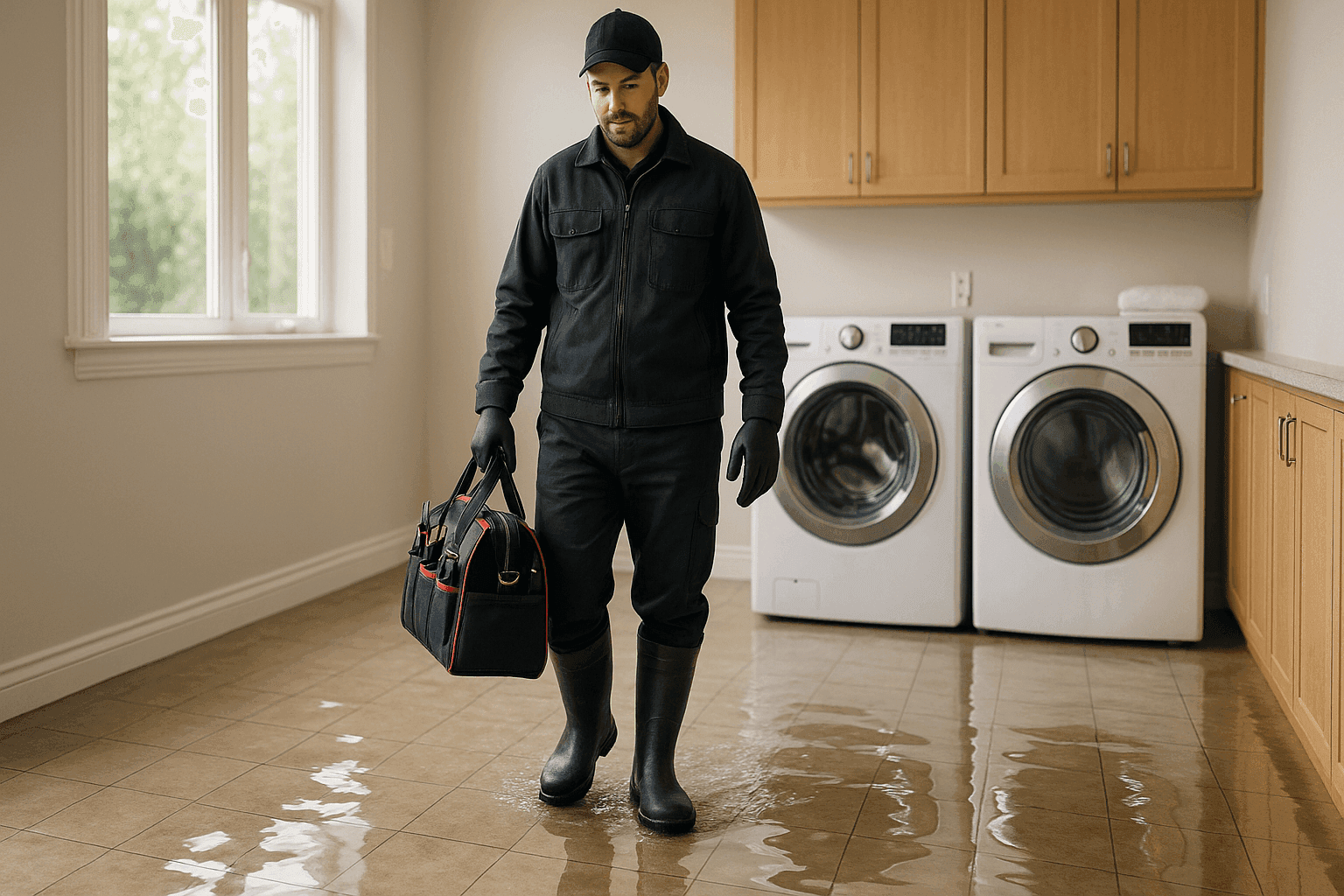
A plumbing emergency can turn your world upside down in minutes. Water on the floor, a growing puddle, maybe a strange hiss from behind the wall—these moments are stressful, both at home and at work. But you’re not alone.
At Uncle Frank’s Plumbing, we’ve seen every kind of crisis, from burst pipes in busy restaurants to overflowing toilets in quiet family homes. Fast, clear action can make all the difference before our crew arrives.
Common Plumbing Disasters: What You’re Up Against
Plumbing emergencies come in all shapes and sizes. Some hit suddenly like a flash flood. Others creep in, growing slowly until you can’t ignore them:
- Burst pipes: Water everywhere, often with a roar.
- Overflowing toilets: Panic, mess, and a real risk to your floors.
- Water heater leaks: Hot water pooling, steam or strange noises.
- Gas leaks: Smell of rotten eggs, hissing, and serious safety risks.
- Sewer backups: Unpleasant smells and dirty water where it shouldn’t be.
- Major leaks from fixtures or pipes: Drips that become waterfalls.
Whether you’re dealing with a surprising leak in your kitchen plumbing or a late-night emergency in a commercial building, the steps you take in the first few minutes matter most.
Quick Safety Checklist 🛑
Before anything else, make sure everyone is safe. Here’s your checklist:
- Shut off water supply: Find the main water valve—usually in the basement, garage, or outside. Turn it clockwise (righty tighty) to cut off water.
- Turn off electricity near flooded areas. Water and electricity are a dangerous mix. If safe, switch off the circuit breaker for affected rooms.
- Smell gas? Open windows and doors. Leave the building. Call your gas provider and emergency services. Don’t use electrical switches or phones inside.
- Avoid standing water if electrical outlets or cords are submerged. Step away.
- Keep kids and pets out of the area.
Take a breath. Quick action now keeps everyone safe and limits damage.
Contain the Damage: What You Can Do
Think of water like a spilled drink on your favorite book—catch it early, and you save the story. Here’s how:
- Buckets, towels, pans: Place them under leaks to catch water.
- Move valuables: Slide furniture, rugs, and electronics away from wet areas.
- Open drains: If safe, unclog nearby floor drains to help water escape.
- Block off the area: Close doors to keep water from spreading.
- Ventilate: Open windows if humidity and weather allow.
Every towel down is a dollar saved on repairs later.
Protecting Your Property & Valuables
In both homes and businesses, water moves fast. If you can, lift:
- Furniture legs with aluminum foil or wood blocks.
- Important papers and electronics up high.
- Boxes off the floor, especially in basements or storage areas.
For commercial spaces, consider moving inventory or sensitive equipment. Fast action cuts loss and downtime.
Safety First: Gas & Electrical Precautions
Some emergencies go beyond water. According to the National Fire Protection Association, gas leaks are among the most dangerous plumbing problems. If you suspect gas:
- Don’t use lighters, matches, or electrical switches.
- Evacuate immediately.
- Call emergency services from outside.
For water near outlets or panels, avoid contact. Electrocution is a real risk. If in doubt, wait outside for help.
DIY vs. Call a Pro
It’s tempting to reach for the wrench. But some problems bite back. Here’s when to try a fix—and when to pick up the phone:
DIY Fixes
- Tightening a loose fixture.
- Plunging a clogged toilet (if no overflow risk).
- Catching drips with buckets.
When to Call Uncle Frank’s Plumbing
- Burst, broken, or frozen pipes.
- Water heater leaks or no hot water.
- Gas leaks or strange gas smells.
- Major sewer backups.
- Water pouring from ceilings or walls.
- No water flow after shutting off valves.
If you’re unsure, it’s safer to call. Our team handles emergency plumbing near you every day.
What Pros Do On Arrival
When our crew arrives, we’ll ask key questions:
- Where’s the main shutoff?
- How long has the problem been going?
- What steps have you already taken?
Then, we’ll:
- Inspect and diagnose the source.
- Use specialized tools (like leak detectors or pipe cameras).
- Isolate and repair the issue.
- Test for safety—especially with gas or sewage.
- Advise on next steps, cleanup, and restoration.
In commercial settings, we’ll also help with documentation for insurance or compliance purposes.
Prevention & Maintenance: Stay Ahead
Most plumbing emergencies are preventable. Like changing the oil in your car, a little routine care saves big headaches:
- Annual Gas Safety Checks near you: Ensure all connections and appliances are secure.
- Backflow testing: Prevent dirty water from contaminating clean lines.
- Drain cleaning: Stop clogs before they turn into floods.
- Water heater inspections: Catch leaks and rust early.
- Leak detection: Modern acoustic tools can spot hidden problems.
The International Association of Plumbing and Mechanical Officials recommends regular inspections in both homes and businesses for long-term peace of mind.
Costs & Time Factors: What to Expect
Emergencies rarely happen on your schedule—and costs vary. Here’s what affects price and timing:
- Severity: A small leak costs less than a burst main.
- Location: Pipes behind walls or under floors take longer.
- After-hours: Night or weekend calls may add to costs.
- Materials: Some repairs need specialty parts.
Repairs can take from under an hour (for minor leaks) to several hours (for repiping or sewer issues). Restoration and drying may need additional visits.
When It’s an Emergency 🚨
Not every drip needs a midnight call. But some situations can’t wait:
- Water spreading rapidly or rising fast.
- Sewage backing up anywhere inside.
- Gas smell or hissing sound.
- No water supply to the building.
- Water heater leaking hot water or steam.
If you’re unsure, play it safe. It’s better to call and find out it’s minor than to wait and see damage double overnight.
FAQ: Fast Answers for High-Stress Moments
What should I tell the plumber on the phone?
Describe what’s happening, where the problem is, and what you’ve already tried. Mention if you’ve turned off water or power.
Can I unclog a toilet if it’s overflowing?
First, turn off the water at the toilet’s shutoff valve. Only plunge if water isn’t rising.
What if I can’t find the main water shutoff?
Look near the water meter, basement, or where the main line enters your building. If you can’t find it, tell your plumber right away.
Is it safe to stay inside during a gas leak?
No. Evacuate immediately. Gas leaks are extremely dangerous.
Local & Seasonal Considerations
In colder months, frozen pipes are a top culprit. Insulate pipes in unheated areas and keep a trickle of water flowing during deep freezes. Heavy rains? Watch for sump pump and backflow issues, especially in basements.
For businesses, schedule preventative maintenance before peak season—like holidays or events—when plumbing demand spikes.
Plumbing emergencies can be overwhelming, but you don’t have to face them alone. Take quick, calm steps to stay safe and limit damage. Then, reach out for help from a reliable team.
Call Uncle Frank's Plumbing now — or reach us anytime at 888-871-3463 .