How Much Does Repiping Cost? Factors & Savings Guide
Is your plumbing acting up? Sudden leaks, discolored water, or water pressure that’s more drizzle than downpour? If you’re reading this, chances are you’ve heard the word “repiping” and felt your wallet cringe. We get it. At Uncle Frank’s Plumbing, we know repiping isn’t a small job—but ignoring failing pipes is a gamble that can cost much more.
Let’s break down what really drives repiping costs, when you might need it, and how smarter choices now can save you headaches (and cash) down the road.
Signs You May Need Repiping
Sometimes, the clues are obvious. Other times, they sneak up on you like a slow leak behind a wall. Watch for these telltale signs:
- Rusty, brown, or yellow water from taps—especially after the water’s been off.
- Low water pressure that doesn’t improve, no matter what you try.
- Frequent leaks in different areas, not just one stubborn spot.
- Pipes older than 50 years, especially galvanized steel or polybutylene.
- Strange noises—banging, knocking, or whistling pipes (like a haunted house soundtrack).
- Visible corrosion on exposed pipes, especially in basements or crawlspaces.
If you check off more than one, don’t ignore it. Old pipes rarely fix themselves.
Quick Safety Checklist 🛑
Before you do anything, safety comes first. Here’s what to keep in mind:
- Know your shut-off valves. Everyone in your home or business should know where the main water and gas shut-offs are.
- Watch for signs of water damage—like stains, sagging drywall, or musty smells.
- Be cautious with old pipes. Disturbing brittle or corroded pipes can cause sudden leaks.
- Check local code requirements. Municipal codes (like those outlined by the International Plumbing Code and local health departments) may dictate materials and methods for repiping.
- Never cut into walls or pipes unless you’re certain what’s behind them—gas lines, wiring, and asbestos can lurk out of sight.
DIY vs. Call a Pro
Maybe you’re handy. Maybe you’ve swapped out a faucet or two. But repiping an entire home or business is more than a weekend project.
- DIY risks: Tackling repiping on your own is like trying to rewire your car’s engine with just a screwdriver. It’s easy to get in over your head. Mistakes can mean water damage, failed inspections, or even dangerous leaks.
- Pro benefits: Licensed, insured plumbers don’t just know how to connect pipes—they understand building codes, material compatibility, and how to minimize wall/floor damage. Plus, the job gets done faster and safer.
Repiping is one place where cutting corners can cost you triple in repairs and rework.
What Pros Do On Arrival
What happens when you call a professional for repiping? Here’s the typical play-by-play:
- Inspection: Using tools and leak detection equipment, a plumber assesses the current pipe condition—checking for corrosion, leaks, and code violations.
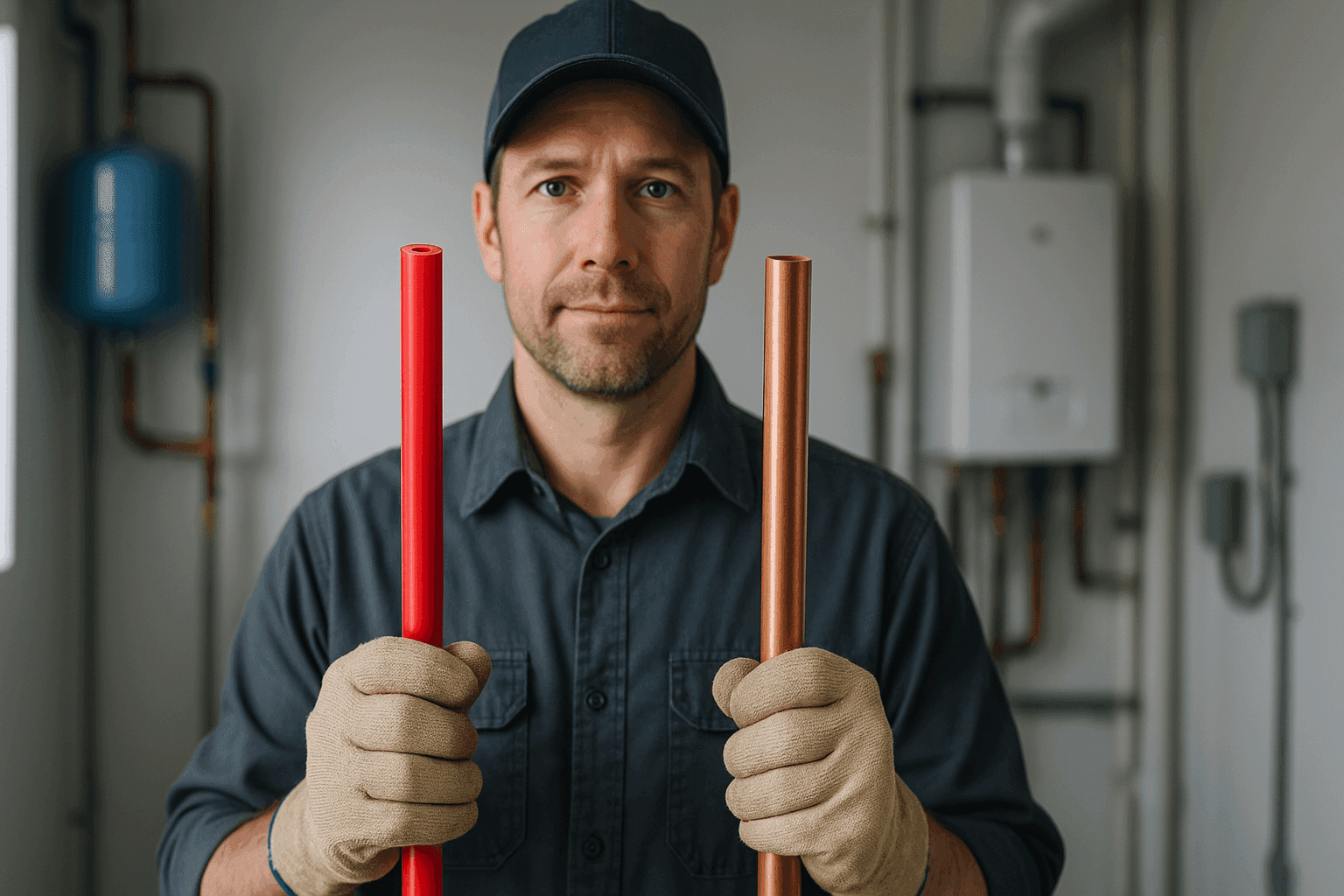
- Material recommendations: Based on your building, water needs, and budget, they’ll suggest materials like copper or PEX. Each has pros and cons.
- Estimate & timeline: You’ll get a clear breakdown of costs, what’s included, and how long the job will take.
- Prep work: Furniture, flooring, and valuables are protected. Access holes are made as tidy as possible.
- Installation: Old pipes are removed. New ones are installed, tested, and inspected. Everything is brought up to current code.
- Cleanup: Walls are patched, and everything is tidied up. Some companies offer to repaint or restore, but always confirm what’s included.
A professional plumber won’t just do the job—they’ll make sure your property stays safe and functional every step of the way.
Prevention & Maintenance
Repiping may sound drastic, but with the right care, your new pipes can last decades. Here’s how to keep things flowing smoothly:
- Schedule routine inspections. Annual plumbing checks (including Gas Safety Checks near you) can catch small issues before they escalate.
- Watch your water quality. Hard water can eat away at pipes—consider a water filtration system if you notice mineral buildup.
- Avoid chemical drain cleaners. They might clear a clog, but they can also corrode pipes over time.
- Fix leaks fast. Even a tiny drip can signal bigger problems brewing inside your walls.
- Maintain proper water pressure. High pressure stresses pipes. A pressure regulator can add years to your plumbing’s lifespan.
Costs & Time Factors
Now for the big question: How much does repiping really cost? The answer depends on a few key factors, much like how every house has its quirks.
Main Factors Affecting Cost
-
Pipe material:
- PEX (cross-linked polyethylene): Popular for its flexibility and cost savings. Easier to install, which means lower labor costs.
- Copper: Long-lasting and durable, but pricier—both for the material and installation labor.
- CPVC: Another option, but not as common for whole-house repiping.
-
Property size and layout:
- More bathrooms, kitchens, or stories = more pipe, more labor, more money.
- Tight crawlspaces or finished basements can add to costs.
-
Access:
- If pipes are buried behind walls or under floors, expect more labor hours for careful removal and repair.
-
Local code requirements:
- Some areas require higher-grade materials or extra inspections, which can bump up costs.
Average Cost Ranges
Note: These are ranges, not quotes. Actual prices depend on your unique situation.
-
Residential homes:
- Typical range: $4,000–$15,000+
- Smaller homes or condos with easy access trend toward the lower end.
- Large homes, older buildings, or homes with extensive damage will be higher.
-
Commercial properties:
- Typical range: $10,000–$50,000+
- Office buildings, restaurants, and multi-unit buildings require more pipe, more labor, and special scheduling to avoid business interruptions.
-
Labor:
- Labor is often the biggest slice of the bill. Licensed, insured contractors charge more than “handyman” services, but that cost comes with peace of mind.
-
Time:
- Most residential repiping takes 2–7 days.
- Larger or more complex buildings can take several weeks, especially if plumbing can’t be shut off during business hours.
Hidden Expenses to Watch For
Surprises are fun for birthdays—not so much during a plumbing overhaul. Be aware of these possible “extras”:
- Wall and floor repairs:
- Cutting access holes is often necessary. Patching and repainting may be extra.
- Water heater or fixture upgrades:
- Old fixtures may not match new piping standards, especially if you upgrade from galvanized to PEX or copper.
- Permit fees and inspections:
- Most municipalities require permits and final inspections, which can add to the total.
- Code upgrades:
- If your home’s wiring, venting, or gas lines are out of date, related upgrades may be required.
Always ask for a detailed estimate that includes potential contingencies.
The Financial Benefits of Modern Pipe Materials 💡
Repiping isn’t just an expense—it’s an investment in your property’s future. Here’s why:
- Longer lifespan:
- PEX and copper pipes can last 50 years or more. That’s decades of confidence.
- Fewer leaks and repairs:
- Modern materials are less prone to corrosion and leaks, saving on emergency calls.
- Better water quality:
- Old pipes can leach metals or harbor bacteria. New pipes mean cleaner, safer water.
- Increased property value:
- Updated plumbing is a major plus for buyers and insurance companies alike.
- Lower insurance premiums:
- Some policies offer discounts for upgraded plumbing, since risk of water damage goes down.
While the up-front cost is real, the long-term savings add up fast.
When It’s an Emergency
Sometimes, waiting isn’t an option. Burst pipes, major leaks, or water pouring into your basement? That’s a plumbing emergency.
- Shut off the main water supply immediately.
- Move valuables and electronics away from water.
- Call a plumber who offers emergency plumbing services—like Uncle Frank’s Plumbing—day or night.
- Document the damage for insurance if needed.
Quick action saves property and reduces repair costs. Don’t wait until small leaks become waterfalls.
Repiping FAQ
How long does repiping take?
For most homes, expect 2–7 days. Commercial projects take longer depending on size and complexity.
Do I have to move out during repiping?
Usually, no. Plumbers work in sections. You might be without water for a few hours at a time, but full move-outs are rare.
Is PEX or copper better?
Both have strengths. PEX is less expensive, flexible, and easy to install. Copper lasts longer and withstands high heat but costs more. Your plumber will help you choose based on your needs and local code.
Are permits really necessary?
Yes. Most cities require permits and inspections to ensure safe, code-compliant work. Skipping this step can cause headaches if you sell or refinance your property.
Local & Seasonal Considerations
Depending on where you live, the climate and local water quality can impact pipe longevity and installation:
- Cold climates:
- Freezing pipes are a risk. PEX is more freeze-resistant than copper but both need proper insulation.
- Hard water areas:
- Mineral buildup can clog pipes faster. Water filtration systems help, but repiping may still be needed in older homes.
- Older neighborhoods:
- Many homes built before 1970 have galvanized or polybutylene pipes, which are prone to failure.
Always ask your plumber about the best materials for your region and how seasonal weather might affect your plumbing.
Still have questions about repiping, water pressure, or Gas Safety Checks near you? Call Uncle Frank's Plumbing now — or reach us anytime at 888-871-3463 .