The Ultimate Guide to Preventative Plumbing Maintenance
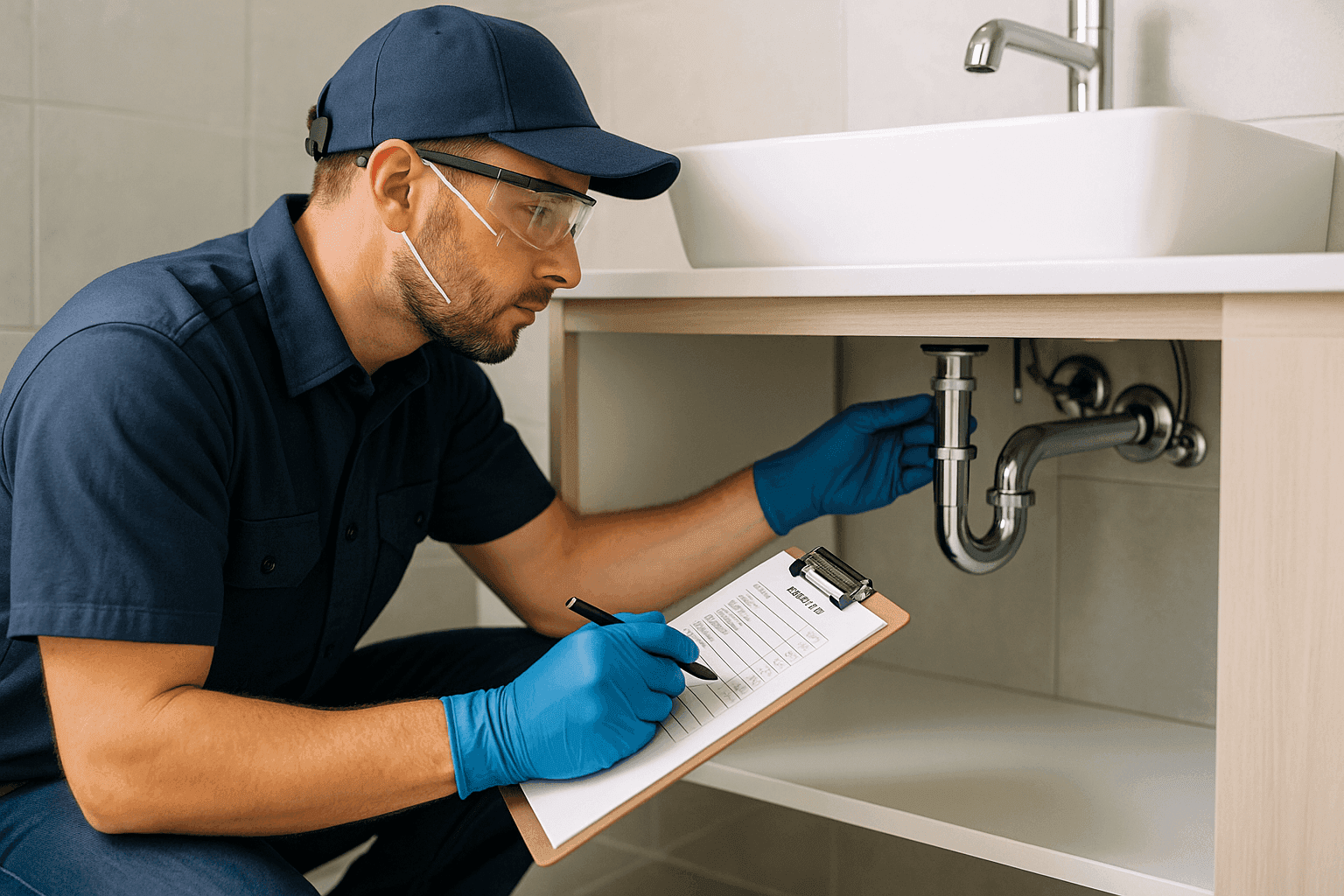
Is your plumbing system quietly asking for help? Most people don’t notice issues until water is somewhere it shouldn’t be—or not coming out at all. At Uncle Frank’s Plumbing, we’ve seen it all: leaky pipes, clogged drains, and water heaters that decide to take the weekend off. That’s why a little prevention goes a long way.
Ignoring plumbing maintenance is like ignoring the oil light in your car—it might run for a while, but eventually, it’ll cost you. Whether you own a busy restaurant or a cozy bungalow, a simple maintenance routine saves time, money, and stress. Let’s dive into a clear, easy-to-follow checklist to keep your pipes, drains, and fixtures working their best—year after year.
Why Preventative Maintenance Matters 🛠
Plumbing is the silent workhorse of any building. When pipes, drains, and fixtures are ignored, small issues can snowball into burst pipes, water damage, or even hazardous gas leaks.
Think of your plumbing system like the veins and arteries in your body. A blockage or leak can quickly lead to bigger problems. Preventative maintenance acts like a regular check-up—catching little issues before they become emergencies.
The Cost of Waiting
- Higher repair bills: Small leaks can lead to water damage, mold, or ruined floors.
- Unexpected downtime: For businesses, a plumbing emergency can shut the doors until repairs are done.
- Health risks: Stagnant water or backflow can introduce bacteria and mold into the environment.
- Shorter lifespan: Pipes, fixtures, and appliances last longer with regular attention.
The bottom line? Regular plumbing checkups save money, prevent stress, and keep your environment healthy.
Seasonal Plumbing Checklist
Each season brings different challenges for your plumbing system. Here’s how to stay ahead, one season at a time.
Spring
- Check all exposed pipes for leaks after winter’s freeze-thaw cycles
- Inspect outdoor faucets and hose bibs for cracks
- Test sump pumps before spring showers arrive
- Clean out gutters and downspouts to keep water away from your foundation
- Schedule backflow testing for irrigation systems
Summer
- Inspect and clean floor drains in basements and commercial kitchens
- Look for slow drains—clear them before clogs form
- Check water heater for signs of corrosion or leaks
- Confirm your main water shutoff valve works smoothly
- Book a Gas Safety Check, especially if you’re using gas for outdoor appliances
Fall
- Insulate exposed plumbing pipes in garages, crawl spaces, and unfinished basements
- Drain and shut off outdoor faucets
- Test your sump pump before rainy seasons
- Clean out gutters and check for pooling water near your building
- Schedule preventative drain cleaning for kitchens and bathrooms
Winter
- Keep indoor temperatures above 55°F to prevent frozen pipes
- Let faucets drip during extreme cold snaps
- Open cabinet doors to allow warm air around pipes
- Check boiler and water heater for proper operation
- Inspect around toilets, sinks, and tubs for hidden leaks
Common DIY Inspections 🧰
You don’t need a toolbox full of gadgets to spot early warning signs. Here’s what you can do each month:
- Check under sinks: Look for puddles, rust, or water stains
- Listen for drips: Even a faint drip means water is escaping somewhere
- Test water pressure: Weak flow could signal a hidden leak or clog
- Flush toilets: Make sure they refill properly and don’t run constantly
- Look at exposed pipes: Any corrosion, discoloration, or moisture deserves a closer look
- Sniff for gas: If you suspect a gas leak, leave immediately and call a pro—never ignore the smell of rotten eggs
If you spot any of these issues, jot them down. Small problems today prevent major headaches tomorrow.
When to Hire a Pro
Some jobs are simple—tightening a loose pipe or clearing a hairball from a drain. Others need a licensed plumber with the right tools and know-how.
Call Uncle Frank’s Plumbing for:
- Gas Safety Checks near you: Only a licensed plumber can legally inspect or repair gas lines
- Sewer line inspection and repair: Blocked or damaged sewer lines can cause backflow, flooding, or property damage
- Water heater repair and installation: Tinkering with gas or electric water heaters can be dangerous
- Repiping or pipe installation: Accurate sizing and safe installation prevent leaks and pressure problems
- Leak detection: When you can’t find the source of moisture, professional leak detection saves walls and floors
- Backflow prevention and testing: Required by code for many commercial properties and homes with irrigation systems
- Emergency plumbing: Burst pipes, flooding, or sewage backup always require fast, professional help
Remember, plumbing codes exist for a reason. The International Plumbing Code (IPC) and local guidelines are there to keep everyone safe.
Pipe Inspections: What to Look For
Pipes age and shift over time. Even the best systems wear down. Here’s what a thorough inspection should cover:
- Corrosion or rust: Usually shows up as green or orange stains
- Loose connections: Movement or vibration can loosen joints over time
- Unusual odors: Persistent smells can indicate leaks or drainage issues
- Visible leaks: Even a drop means trouble
- Strange noises: Gurgling or banging pipes need attention
Drain Cleaning: Keep Things Flowing 🚿
Clogged drains aren’t just annoying—they can cause backups and water damage. Regular drain cleaning keeps water moving and prevents big messes.
DIY Tips:
- Pour boiling water down drains (except toilets) to help dissolve buildup
- Use a plunger for slow or blocked sinks
- Avoid chemical drain cleaners—they can damage pipes
- Clean sink stoppers and shower strainers monthly
Professional Cleaning:
If you notice recurring clogs, gurgling sounds, or slow drains, a plumber can use specialized tools to clear stubborn blockages safely.
Leak Checks: Catching Problems Early
Leaks can hide behind walls, under floors, or in crawl spaces. Early detection saves money and prevents mold.
- Watch your water bill: Unexplained increases mean water is escaping
- Look for damp spots, peeling paint, or warped flooring
- Listen for water running when all fixtures are off
- Use a moisture meter or infrared camera for hard-to-find leaks
For peace of mind, schedule an annual professional leak detection if you’re in an older building or have had leaks before.
Fixture Upkeep: Don’t Ignore the Little Things
Faucets, toilets, and showerheads may seem minor, but small issues add up fast.
- Replace worn washers or seals to prevent drips
- Tighten loose handles and connections
- Clean aerators to improve water flow
- Check toilets for wobbling—this can mean a loose seal at the floor
When to Call a Licensed Plumber
If you’re unsure or if the problem involves gas, sewage, or major water leaks, it’s time for professional help. Plumbing pros have specialized tools and training. They can spot code violations, hidden damage, and potential hazards.
Remember: Safety first. Never try to fix gas lines or sewer connections yourself.
Identifying Early Warning Signs
Catching problems early is the secret to stress-free plumbing.
Watch for these red flags:
- Water stains or damp spots on walls and ceilings
- Persistent mold or mildew smells
- Sudden drops in water pressure
- Unexplained sounds in pipes
- Fixtures that wobble or leak
A single drop of water can be the tip of the iceberg. Act early, and you’ll save money and hassle.
Costs and Time Factors
How much time and money does preventative maintenance require? Not as much as you might think.
- Monthly DIY checks: 10–15 minutes per home or unit
- Seasonal checkups: 1–2 hours, depending on property size
- Professional inspections: Usually 1–3 hours for a standard home or small business
The cost of regular checkups is far less than an emergency repair. According to the Insurance Information Institute, water damage is one of the most common—and expensive—claims for property owners.
When It’s an Emergency 🚨
Some plumbing problems can’t wait:
- Burst pipes
- Sewer backups or flooding
- No hot water in winter
- Suspected gas leaks
- Water gushing from unknown sources
In any emergency, turn off the main water supply if you can do so safely. Then call Uncle Frank’s Plumbing. We’re ready to help, day or night.
FAQ
Q: How often should I inspect my plumbing?
A: Do a quick DIY check monthly and a deeper inspection at the start of each season. Schedule a professional inspection annually.
Q: Is preventative maintenance required by law?
A: Certain checks, like backflow testing and Gas Safety Checks, are required by code for many businesses and some homes. Always check your local regulations.
Q: Can I use chemical drain cleaners?
A: It’s best to avoid them. Chemicals can damage pipes and harm the environment. Use mechanical methods or call a pro for persistent clogs.
Q: What’s the best way to find hidden leaks?
A: Watch your water bill, check for damp spots, and listen for running water. Professional plumbers use moisture meters and thermal cameras for hard-to-find leaks.
Local & Seasonal Considerations
Every region has its quirks. In colder climates, frozen pipes are a top concern. In warmer areas, heavy rain can overload sump pumps and sewers. Commercial kitchens often face extra grease and food debris in drains. Residential properties may have aging pipes or outdated fixtures.
No matter your location, stay alert to seasonal changes. Adjust your checklist to fit local weather and building codes.
Reference: Review the International Plumbing Code (IPC) and consult your local municipality for specific requirements.
A little prevention goes a long way. Uncle Frank’s Plumbing is here to help with seasonal checkups, Gas Safety Checks near you, and emergency repairs for both homes and businesses.
Call Uncle Frank's Plumbing now — or reach us anytime at 888-871-3463 .