Gas Safety Checks: Protect Your Family & Business
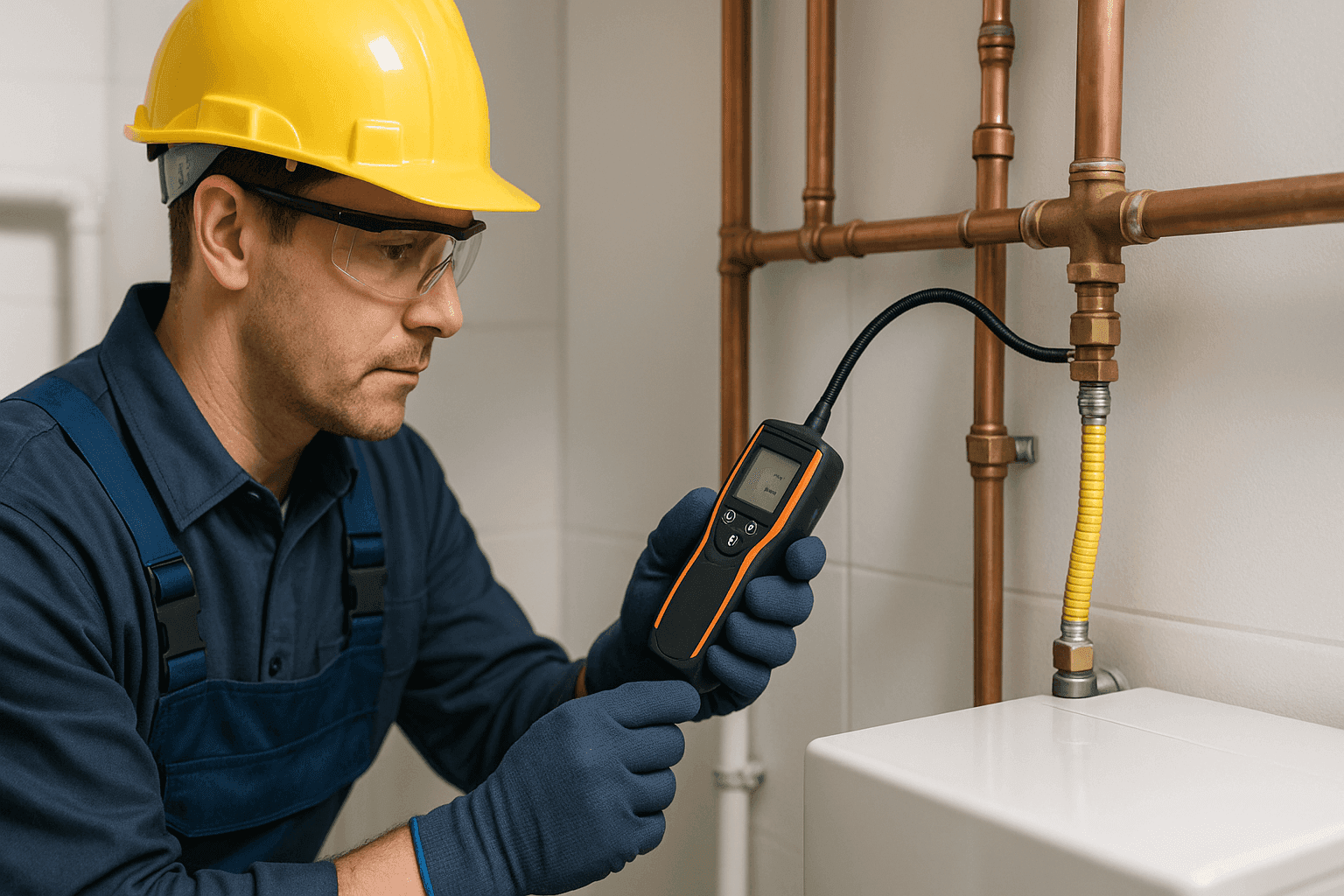
When it comes to gas safety, there are no shortcuts. No second chances, either. Whether you’re worried about your kids sleeping upstairs or employees in a busy kitchen, gas leaks can turn a normal day into a disaster within minutes.
At Uncle Frank’s Plumbing, we’ve seen the aftermath of neglected gas lines. It’s not just about ruined appliances or a funny smell—it’s about your peace of mind. This guide walks you through what you need to know, the warning signs to never ignore, and why professional gas safety checks near you aren’t just a box to tick—they’re a must.
Why Gas Leaks Are a Silent Threat
Gas leaks rarely shout for attention. Instead, they whisper—a faint odor here, a subtle hiss there. But make no mistake: the risks are real.
- Natural gas is colorless and odorless. Utility companies add mercaptan (that rotten egg smell) to help you detect leaks, but sometimes it’s faint or masked by other odors.
- Leaks can cause explosions, fires, and carbon monoxide poisoning. According to the U.S. Consumer Product Safety Commission, hundreds of people die from unintentional gas-related incidents yearly.
- Property damage from even a small leak can run into the thousands, not to mention the risk to lives.
Ignoring gas safety is like driving with your eyes closed. For homes, families are at risk—especially children and seniors. For businesses, it’s not just safety—it’s liability.
How to Spot Gas Leak Warning Signs 👃
Gas leaks leave clues. You just have to know where to look—and sniff.
- Rotten egg smell: The classic warning. If you catch a whiff, don’t ignore it.
- Hissing or whistling sounds: Especially near gas lines, appliances, or meters.
- Dead or discolored vegetation: If plants or grass above a buried gas line die suddenly, that’s a red flag.
- Bubbles in puddles or wet ground: Gas escaping underground can cause bubbling.
- Physical symptoms: Headaches, nausea, dizziness, and fatigue—especially if they improve when you leave the building.
If you notice any of these, treat it seriously. Don’t try to “tough it out” or wait until Monday.
Quick Safety Checklist
Before you panic, slow down and run through these steps:
- Do you smell rotten eggs or notice a strange odor?
- Are gas appliances (heater, stove, boiler) behaving oddly—making noises, not lighting, or flickering?
- Any sudden increase in gas bills?
- Are carbon monoxide alarms working and recently tested?
- Do you see signs of corrosion or rust on visible gas pipes?
If you check “yes” to any, it’s time to act.
DIY vs. Call a Pro
Some home fixes are perfect for a Saturday afternoon. Gas leaks? Not one of them.
DIY can go wrong fast:
- Tightening a loose fitting can make a leak worse.
- Using household sealers or tapes is never safe.
- Even if you “fix” a small leak, bigger issues might lurk deeper in the line.
Call a professional plumber for gas safety checks near you when:
- You smell gas—inside or outside.
- You hear hissing near appliances or pipes.
- Your carbon monoxide alarm goes off.
- You’re installing, moving, or repairing any gas appliance.
A certified plumbing technician knows the codes, the risks, and the solutions. Your wrench doesn’t come with a safety manual.
What Pros Do On Arrival 🛠️
Here’s what happens when Uncle Frank’s Plumbing shows up for a gas safety check:
- Visual Inspection: We check all gas lines, fittings, valves, and connections for damage, corrosion, or wear.
- Pressure Testing: Using calibrated instruments, we test lines for leaks and drops in pressure—something you can’t do with just your nose.
- Gas Detector Sweep: Electronic detectors sniff out leaks invisible to the human nose or masked by other household odors.
- Appliance Check: We inspect stoves, water heaters, boilers, and any gas-powered appliance for proper function and safe venting.
- Code Compliance: We make sure everything meets local and national safety codes, referencing the National Fuel Gas Code (NFPA 54) and any relevant municipal requirements.
- Safety Advice: We’ll walk you through what we found, what needs fixing, and how to keep your property safe.
This isn’t guesswork. It’s a deep dive, every time.
Prevention & Maintenance
An ounce of prevention is worth far more than a new boiler.
- Annual Checks: Schedule a professional gas safety check every year—even if nothing seems wrong.
- Install Carbon Monoxide Detectors: One on every floor, especially near sleeping areas.
- Keep Vents Clear: Blocked vents can cause dangerous buildup of gas or carbon monoxide.
- Know Your Shutoff Valve: Make sure everyone in your home or business knows how to turn off the gas main.
- After Any Renovation: Always schedule a post-construction gas check—moving a single pipe can loosen a fitting.
- Regular Appliance Maintenance: Have appliances serviced according to manufacturer guidelines.
- Weather Watch: Check lines after major storms, freezes, or earthquakes—extreme events can shift pipes or crack seals.
Costs & Time Factors
How much does a gas safety check cost? It depends. The size of your property, number of appliances, and age of your plumbing all play a role.
- Time: Most residential checks take 1–2 hours. Larger buildings or businesses may need half a day.
- Cost Factors: Number of appliances, accessibility, and whether repairs are needed.
- Peace of Mind: The cost is minor compared to the damage or injury from a single undetected leak.
Remember: waiting until something goes wrong is always more expensive.
When It’s an Emergency 🚨
Some situations demand immediate action. Here’s what to do, step-by-step:
- Don’t use electrical switches—not even to turn off lights.
- Leave the building—get everyone out fast.
- Do not use phones inside—make calls from outside or next door.
- Shut off the main gas valve—if you know how and can do so safely.
- Call emergency services—then contact a licensed plumber for urgent gas safety checks near you.
Don’t try to find the leak yourself. Seconds count, and so does safety.
FAQ: Gas Safety Checks
How often should I schedule a gas safety check?
At least once a year for both homes and businesses, or after any major renovation or appliance upgrade.
Can I check for leaks myself?
You can look for warning signs, but thorough checks require specialized tools and training. For your safety, always call a certified plumbing professional.
What causes gas leaks?
Common causes include aging pipes, loose fittings, corrosion, poor installation, and damage from home renovations or severe weather.
Are gas safety checks required by law?
Many municipalities and insurance policies require regular inspections, especially for commercial properties. Always check local regulations and the National Fuel Gas Code.
Local & Seasonal Considerations
Wherever you live, certain times of year are riskier for gas leaks.
- After storms or floods: Water can move or crack underground pipes.
- Cold snaps: Extreme cold can shrink and stress pipes, causing joints to pull apart.
- Renovation season: Spring and summer projects often mean more risk of accidental damage.
Schedule gas safety checks near you after any major event—even if everything seems fine. It’s better to check twice than regret it once.
Don’t Wait—Act Now
Gas leaks and faulty lines don’t keep office hours. Safety does not wait until it’s convenient. Whether you’re at home or running a business, staying ahead of gas risks is a responsibility that never sleeps.
Call Uncle Frank's Plumbing now — or reach us anytime at 888-871-3463 .