Bathroom Plumbing Problems: Troubleshooting & Quick Fixes
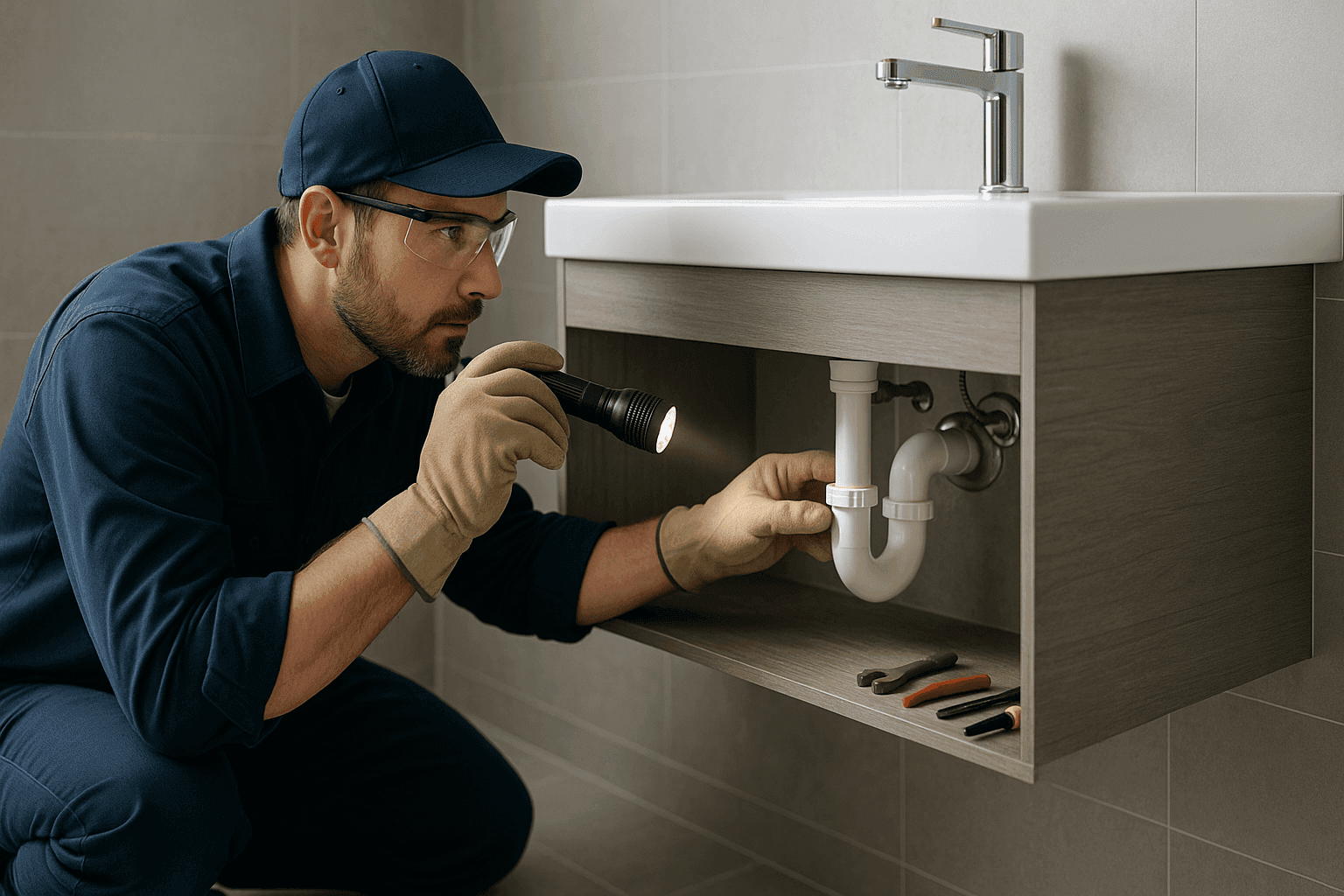
Ever wake up to the sound of a dripping faucet? Or maybe the slow gurgle of a clogged drain just as you’re running late? Bathroom plumbing problems have a way of sneaking up at the worst possible times—at home, or even at your business. At Uncle Frank’s Plumbing, we know how stressful these moments can be. Fast fixes matter, but so does safety.
Below, we’ll break down the most common bathroom plumbing issues, how you can troubleshoot them, and when it’s time to get help. Whether you’re a homeowner or managing a commercial property, we’re here to help you keep those pipes flowing and your mind at ease.
Sink Snafus: Drips, Clogs, and Low Pressure 🛁
A bathroom sink is like the heart of your morning routine. When it sputters or leaks, everything slows down.
Common Sink Problems
- Dripping faucet: Annoying—and can waste up to 3,000 gallons a year (EPA).
- Clogged drain: Hair, soap scum, toothpaste, and more can create a stubborn plug.
- Low water pressure: Feels like trying to rinse with a watering can.
Quick Troubleshooting Steps
- Dripping Faucet:
- Turn off the water supply under the sink.
- Remove the handle and inspect the washer or cartridge—worn parts often cause leaks.
- Replace with new parts if needed.
- Still dripping? Mineral buildup may be at play.
- Clogged Drain:
- Remove the stopper and clear visible debris.
- Try a plunger with quick, firm plunges.
- Avoid harsh chemicals—these can damage pipes.
- For persistent clogs, a zip-it tool or baking soda/vinegar flush may help.
- Low Water Pressure:
- Unscrew the aerator and clean out sediment.
- If pressure is still low, check other fixtures—could be a bigger issue.
When to Call a Pro
- Water pooling under the sink (hidden leaks).
- Persistent drips after replacing washers.
- Low pressure throughout the house or business.
- Signs of mold or mildew around the vanity.
Toilet Troubles: Running, Clogging, and Leaking 🚽
Toilets are the workhorses of any bathroom. When they act up, you notice.
Typical Toilet Issues
- Running toilet: The sound that never stops.
- Frequent clogs: Plunger on standby? Not normal.
- Leaking base: Water on the floor—never a good sign.
Troubleshooting Steps
- Running Toilet:
- Lift the tank lid.
- Check if the flapper is sealing—replace if worn or warped.
- Adjust the float so the water level sits below the overflow tube.
- Clogs:
- Use a flange plunger—make a tight seal and plunge firmly.
- Avoid flushing wipes or thick paper products.
- For repeated clogs, the issue may be deeper in the line.
- Leaks at Base:
- Check the bolts—tighten gently (but don’t overtighten).
- Inspect the wax ring. If it’s worn, replacement is needed.
Signs to Watch For
- Gurgling sounds from the toilet or nearby drains.
- Water on the floor or warped baseboards.
- Unexplained increase in water bills.
Tub & Shower Setbacks: Slow Drains, Leaks, and Water Temperature 🚿
A good shower can make or break your day. When the drain slows or the water temp won’t behave, it’s a problem.
Frequent Issues
- Slow draining tub or shower: Hair and soap are the usual suspects.
- Leaks around faucet or spout: Water stains or dampness on walls.
- Fluctuating water temperature: Sudden bursts of hot or cold.
Troubleshooting Steps
- Slow Drains:
- Remove the drain cover and pull out hair/debris.
- Use a plunger as needed.
- Baking soda and vinegar can help break up residue.
- Leaks around Fixtures:
- Check caulking and replace if cracked.
- Inspect faucet and showerhead connections.
- Be alert for soft spots in the wall—signs of hidden leaks.
- Water Temperature Issues:
- Check the water heater setting (should be 120°F per CDC guidelines).
- If only the shower is affected, the mixing valve may need attention.
When Pro Help is Needed
- Water stains on ceilings below bathrooms.
- Persistent leaks despite caulking/repair.
- Mold or mildew on walls or ceilings.
Quick Safety Checklist
- Turn off water at the shut-off valve before repairs.
- Never mix cleaning chemicals—dangerous fumes can result.
- Use gloves and eye protection when handling tools or chemicals.
- Know where the main water shut-off is—this can save your property in a crisis.
- For gas-related issues (like water heater repairs), always seek Gas Safety Checks near you from a licensed pro.
DIY vs. Call a Pro
Some fixes are like changing a lightbulb. Others are more like rewiring your whole house. Here’s a quick way to tell:
DIY-Friendly
- Replacing faucet washers or aerators.
- Clearing minor clogs with a plunger or hair snake.
- Tightening loose bolts on the toilet.
Call a Pro
- Water stains, mold, or soft walls and floors.
- Persistent leaks or repeated clogs.
- Issues with water heater, gas lines, or sewer smells.
- Backflow concerns—commercial properties especially need regular Backflow Testing.
Remember: If a fix feels over your head, that’s what we’re here for.
What Pros Do On Arrival
When you call Uncle Frank’s Plumbing, we come equipped for more than a quick patch.
- Inspect for hidden leaks with specialized detection equipment.
- Test water pressure & check for code compliance per local plumbing standards.
- Use drain cameras for Sewer Line Inspection if deeper issues are suspected.
- Handle repairs with commercial-grade parts and tools.
- Provide recommendations for Preventative Maintenance to avoid repeat trouble.
We’re thorough because we know how fast a small issue can snowball.
Prevention & Maintenance
Like flossing your teeth, a little routine care keeps big headaches away.
- Clean sink and tub drains monthly.
- Check under sinks for drips or water stains.
- Test toilet flushes and watch for running water.
- Replace old supply hoses every 5 years.
- Schedule annual Leak Detection and Backflow Prevention for commercial properties.
- Install water alarms in basements or utility rooms, especially with older pipes.
Costs & Time Factors
Plumbing repairs vary. Here’s what usually affects your bill and your schedule:
- Complexity: Clearing a clog is fast. Repiping takes longer.
- Parts: Standard washers are cheap. Specialty valves or new fixtures cost more.
- Access: Hidden leaks behind walls or in commercial drop ceilings add time.
- Emergency calls: Nights, weekends, or holidays can mean higher rates.
- Permits: Major work sometimes requires permits—your plumber should handle this.
A simple fix can take 30 minutes. Bigger repairs might stretch over several hours, especially if walls need opening and closing.
When It’s an Emergency
Not every drip is a disaster. But some bathroom plumbing problems are true emergencies:
- Water gushing or spraying uncontrollably.
- Sewage backing up into drains—health hazard!
- Gas smells near water heaters or boilers.
- Flooding that threatens electrical outlets or structural damage.
In any of these cases, shut off the water (and gas, if relevant) and call for Emergency Plumbing services immediately.
FAQ: Common Bathroom Plumbing Questions
How do I know if I have a hidden leak?
Watch for rising water bills, damp smells, or stains on ceilings or walls. Mold or mildew can also be a clue.
What can I pour down a clogged drain?
Avoid harsh chemicals. Try boiling water, baking soda and vinegar, or a drain snake. For stubborn clogs, call a pro.
How often should my business schedule Backflow Testing?
Most codes recommend annual testing, especially in restaurants, healthcare, or multi-unit buildings.
Is low water pressure always a plumbing problem?
Not always. Sometimes, it’s a municipal supply issue. But if it’s just one fixture or one part of the building, your pipes may be the culprit.
Local & Seasonal Considerations
Bathroom plumbing faces extra strain in winter—frozen pipes are a risk, especially in older homes or buildings with poor insulation. In humid months, watch for mold growth around leaks. Businesses with high restroom traffic should schedule more frequent Preventative Maintenance and Gas Safety Checks near you to stay ahead of code requirements.
No matter the season, regular checkups and a quick response to small problems will save time, money, and stress.
Caught between a drip and a hard place? Call Uncle Frank's Plumbing now — or reach us anytime at 888-871-3463 .