Backflow Prevention: Why It Matters for Your Property
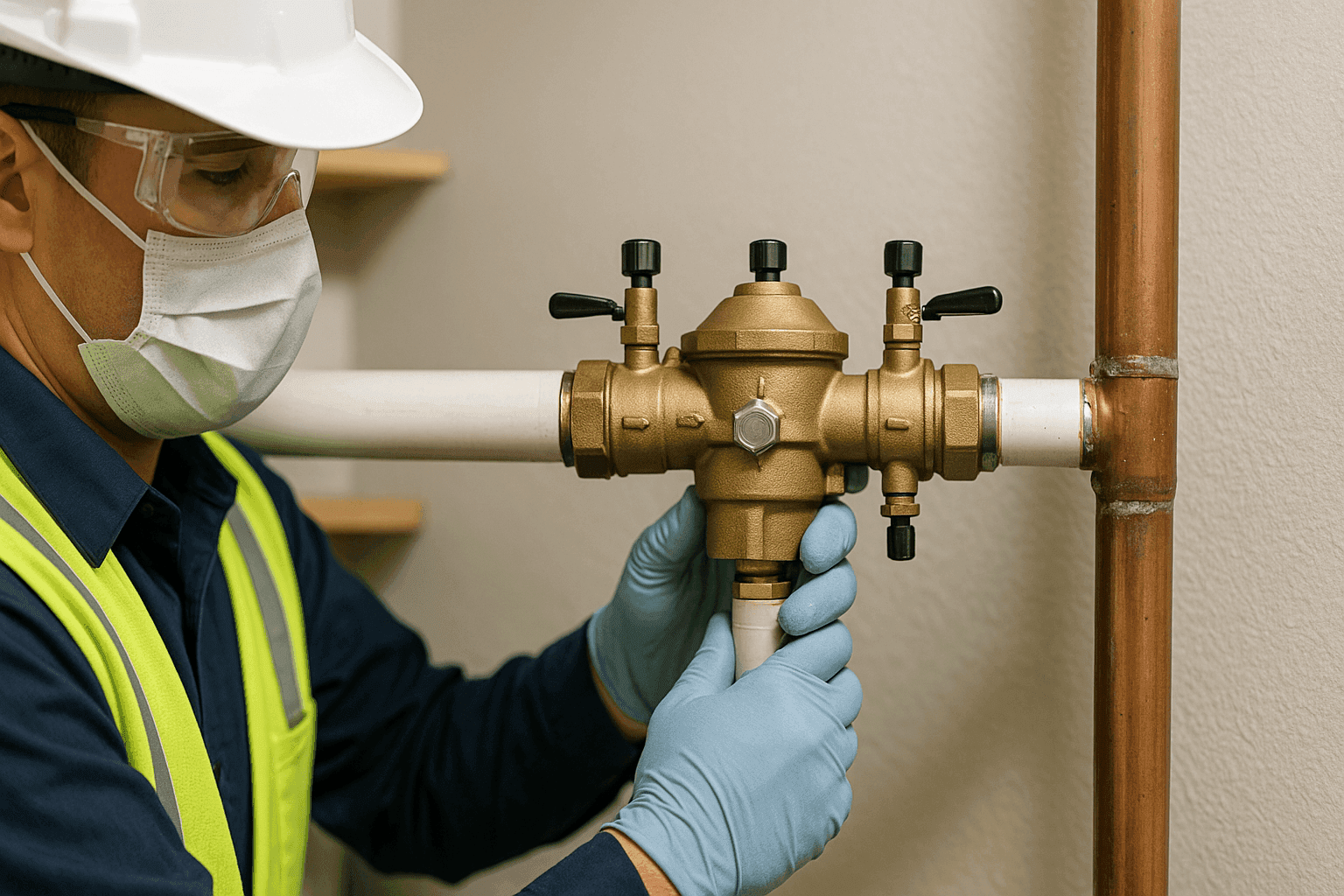
Backflow is the kind of plumbing problem that creeps up quietly. Most people never think about it until a warning sign appears—or worse, until it’s too late. At Uncle Frank’s Plumbing, we know that one small oversight can have big consequences for your home or business.
Water should only flow one way: clean, safe, and reliable. When it reverses, it can bring contaminants right into your drinking supply. The risk is real, and the solution isn’t just for giant factories or restaurants. Every property, big or small, needs to take backflow prevention seriously.
What Is Backflow? The Basics
Picture your plumbing like a one-way street. Water comes in, and it shouldn’t go back out the same way it entered. Backflow is when water reverses direction—like traffic suddenly driving the wrong way.
Why does this happen? Usually, it’s caused by:
- Sudden drops in water pressure (maybe from a broken main or firefighters using a hydrant nearby)
- Changes in your plumbing system (repairs, shutoffs, or even seasonal flooding)
When the pressure drops, dirty water from the ground or from other sources can slip into your clean water lines. That can bring in fertilizers, bacteria, chemicals, or even sewage.
This isn’t just a “might happen” scenario. According to the Environmental Protection Agency (EPA), backflow incidents have led to real contamination events across the country.
Why Is Backflow Dangerous? 🚨
Backflow isn’t just a plumbing headache. It can be a health hazard. If your drinking water gets contaminated, the risks include:
- Bacteria and viruses causing illness
- Fertilizers and pesticides from gardens
- Cleaning chemicals from commercial kitchens
- Industrial waste in business settings
The American Water Works Association notes that even a small cross-connection in a plumbing system—like a garden hose left in a puddle—can allow dangerous substances into your pipes. That’s why prevention is so important.
Types of Backflow Prevention Devices
To keep water flowing the right way, plumbers install special devices. Some of the most common include:
- Air Gaps: The simplest method—just a physical space between the water outlet and any possible source of contamination (like the gap above your sink).
- Double Check Valves: These use two check valves in a row to stop water from reversing.
- Reduced Pressure Zone (RPZ) Assemblies: Extra protection for high-risk areas, like commercial kitchens or medical facilities.
- Pressure Vacuum Breakers: Often used for irrigation systems.
The right device depends on your plumbing setup and the level of risk. Local plumbing codes—like those from the International Plumbing Code (IPC)—set minimum standards for which device is required.
Signs You Might Have a Backflow Issue
Spotting backflow isn’t always obvious. But there are warning signs:
- Water suddenly looks, smells, or tastes odd
- Discolored water from any tap
- Visible particles or sediment
- Unusual drop in water pressure
- Water flowing backward in sinks or toilets
If you notice any of these, it’s time to stop using your water and call a professional immediately.
Quick Safety Checklist for Home and Business Owners
Before panic sets in, here’s what you can do to keep your property safe:
- Never submerge hoses in buckets, pools, or tubs
- Install hose bib vacuum breakers on outdoor taps
- Schedule annual backflow testing with a certified plumber
- Check that all fixtures have proper air gaps
- Know where your main shutoff valve is, just in case
For businesses, especially those handling food or chemicals, more advanced devices may be required by law.
DIY vs. Call a Pro
Some plumbing jobs are DIY-friendly. Backflow prevention usually isn’t.
While you can install simple hose bib vacuum breakers, most devices require specialized knowledge, tools, and certification to install and test. In fact, many cities require a licensed plumber for backflow prevention work.
Trying to tackle this yourself can lead to:
- Fines for violating code
- Voided insurance claims
- Devices that don’t actually protect your water
Uncle Frank’s Plumbing recommends always using a certified professional for backflow device installation and testing.
What Certified Plumbers Do On Arrival
When you call for backflow help, here’s what happens:
- Inspection: We check your plumbing for cross-connections and risk points.
- Device Recommendation: Based on your property, water usage, and local code.
- Installation/Testing: Device is installed or tested using calibrated equipment.
- Certification: You’ll get paperwork for your records—sometimes this is required for city compliance or insurance.
- Education: We’ll show you how to spot signs of trouble and when to schedule your next test.
It’s not just about fixing one problem—it's about preventing a bigger one.
Prevention & Maintenance Tips
Keeping your water safe is an ongoing job. Here’s how you can help:
- Annual Testing: Many codes, like those from the EPA and local municipalities, require yearly testing of backflow devices.
- Visual Checks: Look for leaks, rust, or damage near backflow devices.
- Don’t Ignore Small Leaks: Even a drip can signal a bigger issue.
- Keep Devices Accessible: Don’t block backflow preventers with landscaping or storage.
Remember, preventive maintenance is far less expensive than dealing with contamination.
Legal and Insurance Implications
Most states and localities have strict rules about backflow prevention. If you skip annual testing or install the wrong device, you could face:
- Fines from your water supplier or local government
- Forced shutoff of your water service
- Voided homeowner’s or business insurance claims after an incident
Insurance companies want to see proof that you’re protecting your property. Keeping up with scheduled backflow testing is a smart move for any property owner.
Costs & Time Factors
Backflow prevention doesn’t have to break the bank, but it does require an investment.
- Testing: Usually takes less than an hour for most properties.
- Installation: Depending on the device and plumbing layout, a few hours to half a day.
- Costs: Vary based on device type, property size, and local code requirements.
Think of it like a seatbelt for your plumbing system—small cost, big protection.
When It’s an Emergency
If you suspect backflow is happening right now:
- Stop using your water immediately
- Shut off the main water supply if possible
- Call Uncle Frank’s Plumbing for emergency plumbing service
Contaminated water isn’t just unpleasant—it’s unsafe. Don’t wait for the problem to get worse.
FAQ: Common Backflow Questions
How often should I have my backflow device tested?
Most codes require annual testing by a certified plumber, even for residential properties.
Is backflow only a commercial issue?
No. Homes can be affected too—especially those with irrigation, pools, or complex plumbing systems.
What’s the difference between backflow prevention and backflow testing?
Prevention means installing devices to stop water from reversing. Testing means making sure those devices actually work.
Will my insurance cover water damage from backflow?
That depends. Many insurers require proof of up-to-date backflow testing and proper device installation.
Local and Seasonal Considerations 🌧️
Backflow risk isn’t the same year-round. Heavy rains, flooding, or even sudden cold snaps can stress your plumbing system and increase the risk. Seasonal maintenance—like checking your sump pump or inspecting outdoor irrigation—can reduce your chances of a problem.
Local building codes often set stricter requirements for flood-prone areas or properties with special risks (like commercial kitchens or medical facilities). Always check with your municipality or a licensed plumber for the rules near you.
When it comes to backflow, the best problem is the one that never happens. Protect your family, your staff, and your customers by making backflow prevention part of your plumbing routine. For annual testing, installation, or emergency plumbing, Uncle Frank’s Plumbing is here to help.
Call Uncle Frank's Plumbing now — or reach us anytime at 888-871-3463 .